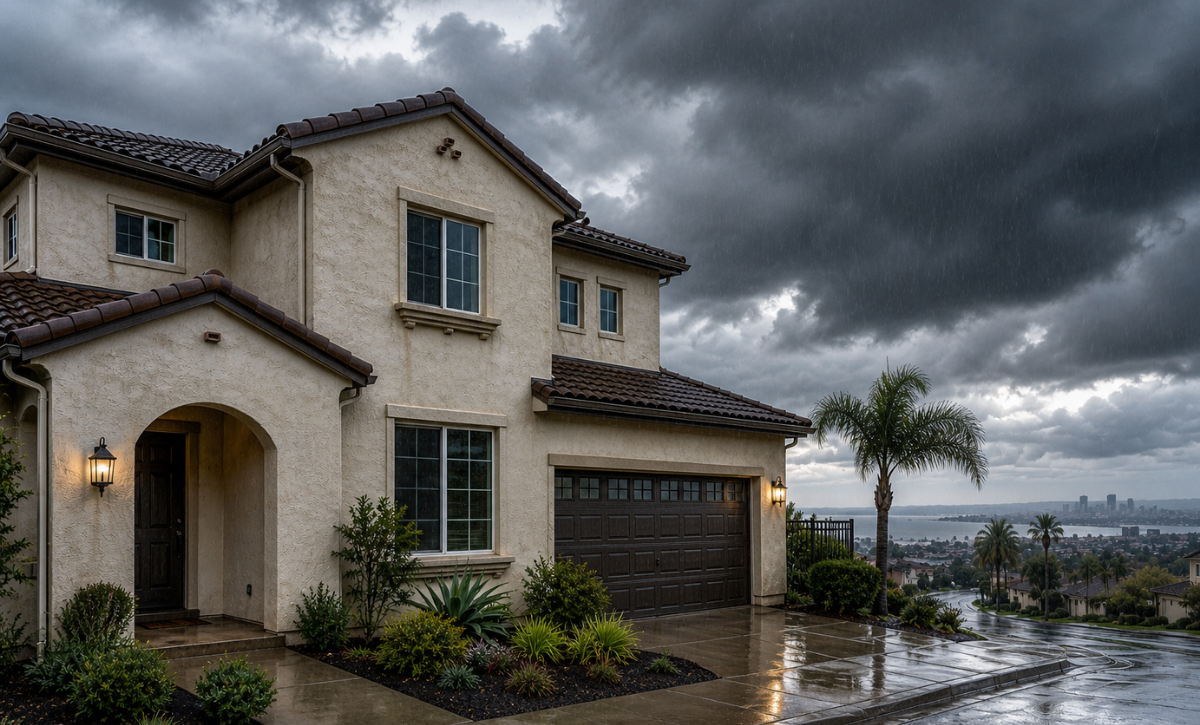
If you’ve been hearing more about El Niño lately, there’s a reason. El Niño conditions are strengthening, and the current outlook is drawing attention to what the weather pattern could mean as Southern California heads toward the fall and winter months.
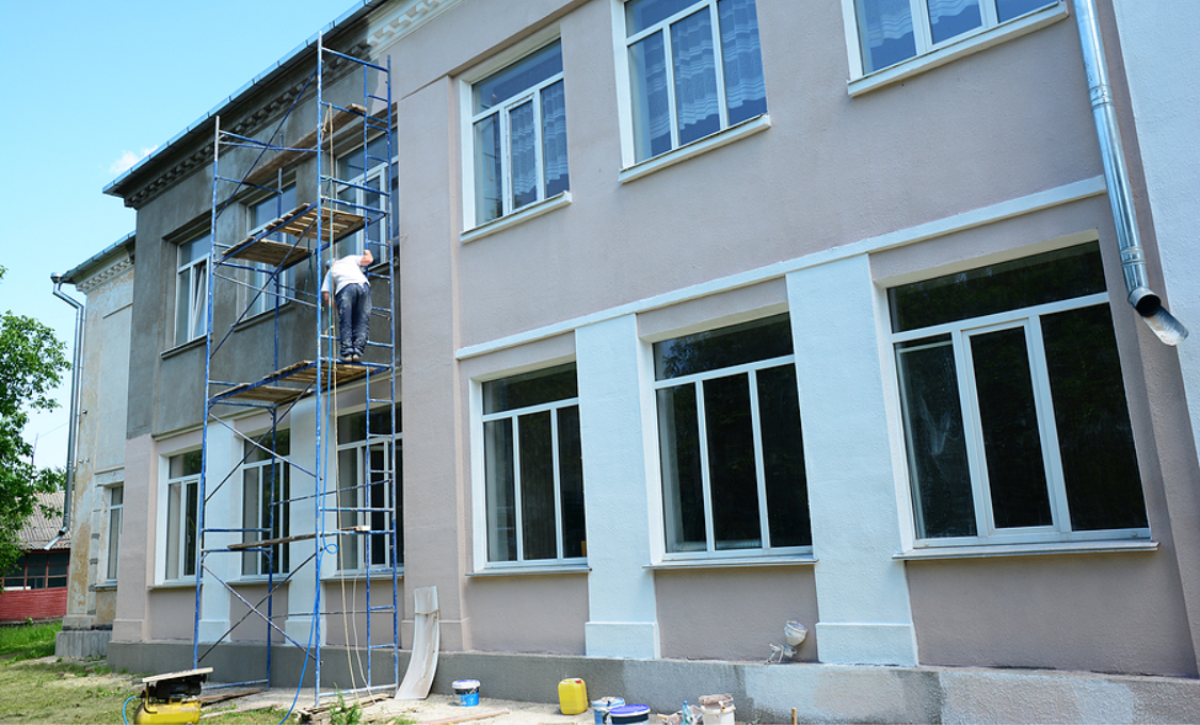
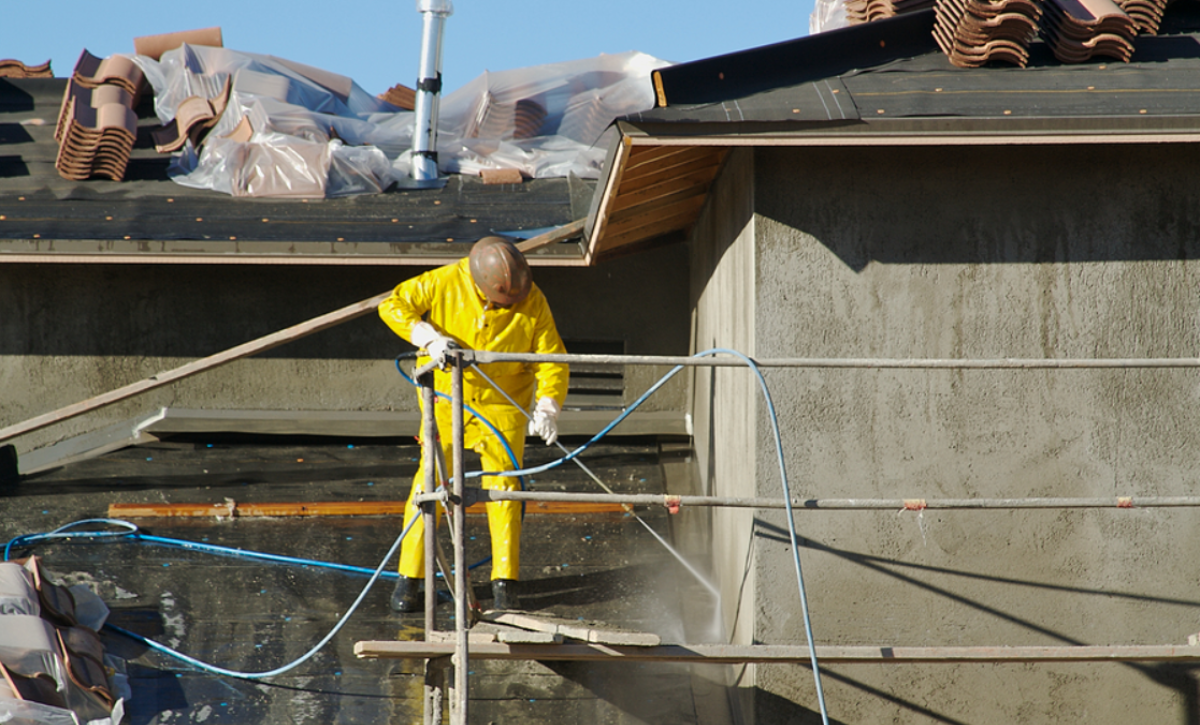
For San Diego homeowners, this is a good time to take a closer look at the exterior of the home before the rainy season arrives. Cracks, deteriorated sealants, damaged stucco, and other vulnerable areas may be easier to address before prolonged periods of wet weather put the exterior wall system to the test.
El Niño does not guarantee that San Diego will experience a specific amount of rain. However, preparing your home’s exterior before the weather changes can help identify areas that may need attention before the next storm arrives.
What Is El Niño?
El Niño is a climate pattern associated with unusually warm ocean temperatures in the central and eastern tropical Pacific. Changes in ocean temperatures can influence atmospheric circulation and weather patterns in different parts of the world.
According to the National Oceanic and Atmospheric Administration (NOAA), El Niño conditions are strengthening in 2026. While El Niño can influence seasonal weather patterns, it is important to remember that it does not guarantee specific weather conditions or rainfall amounts for an individual city.
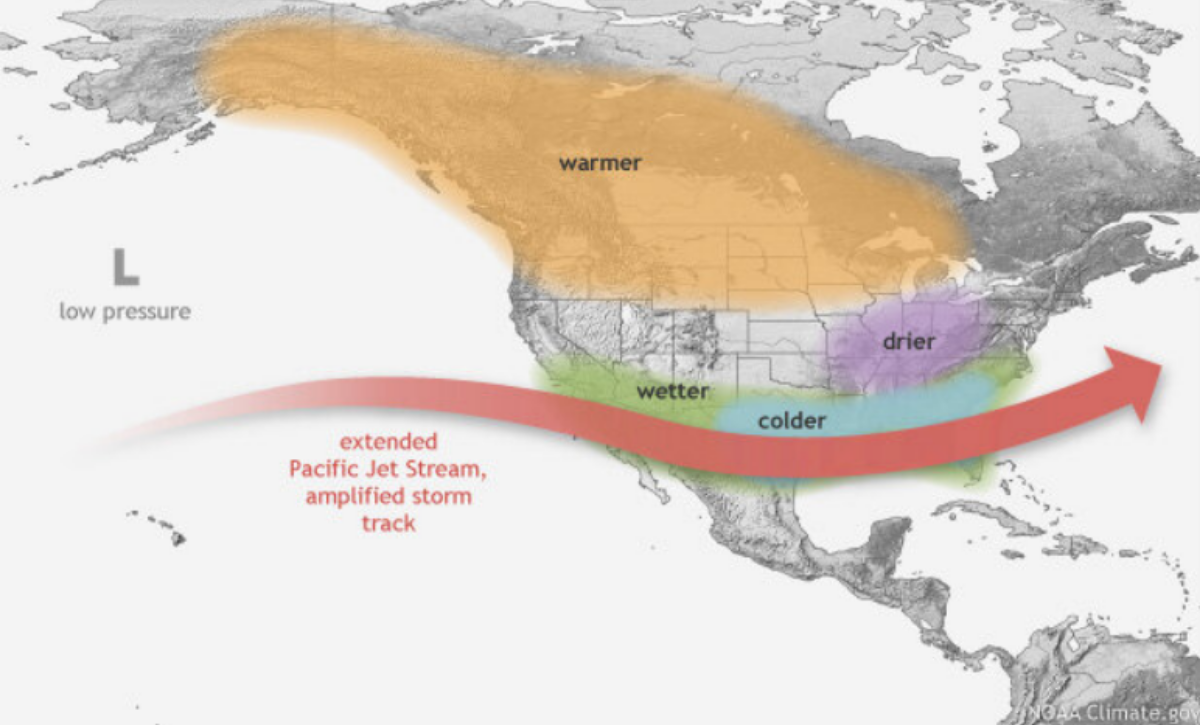
What Could El Niño Mean for San Diego Homeowners?
El Niño has historically been associated with changes in winter weather patterns across the United States, and stronger El Niño events can increase the potential for wetter conditions in parts of Southern California. Every El Niño develops differently, however, and the amount and timing of rainfall can vary.
For homeowners, the important takeaway is not to assume that heavy rain will happen. Instead, the current outlook provides a timely reminder to check the condition of your home’s exterior before the rainy season.
Why Rain Matters for a Stucco Exterior
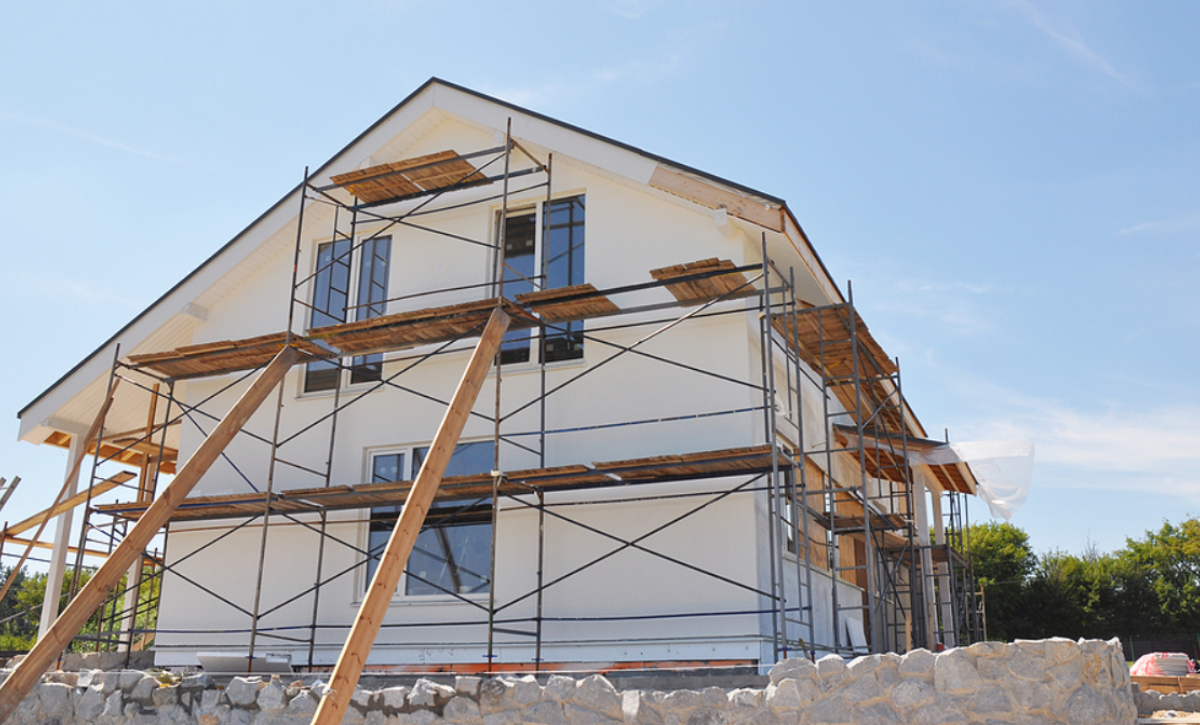
Stucco is part of an exterior wall system designed to help protect a structure from the elements. Behind the visible finish are additional components that work together to support the stucco and manage moisture.
When cracks, damaged areas, deteriorated sealants, or other vulnerabilities are present, water may be able to reach areas where it should not. Depending on the condition of the wall system, the visible problem on the surface may not always tell the entire story.
Understanding what is behind your stucco can also help explain why proper installation, drainage, and moisture management are important.
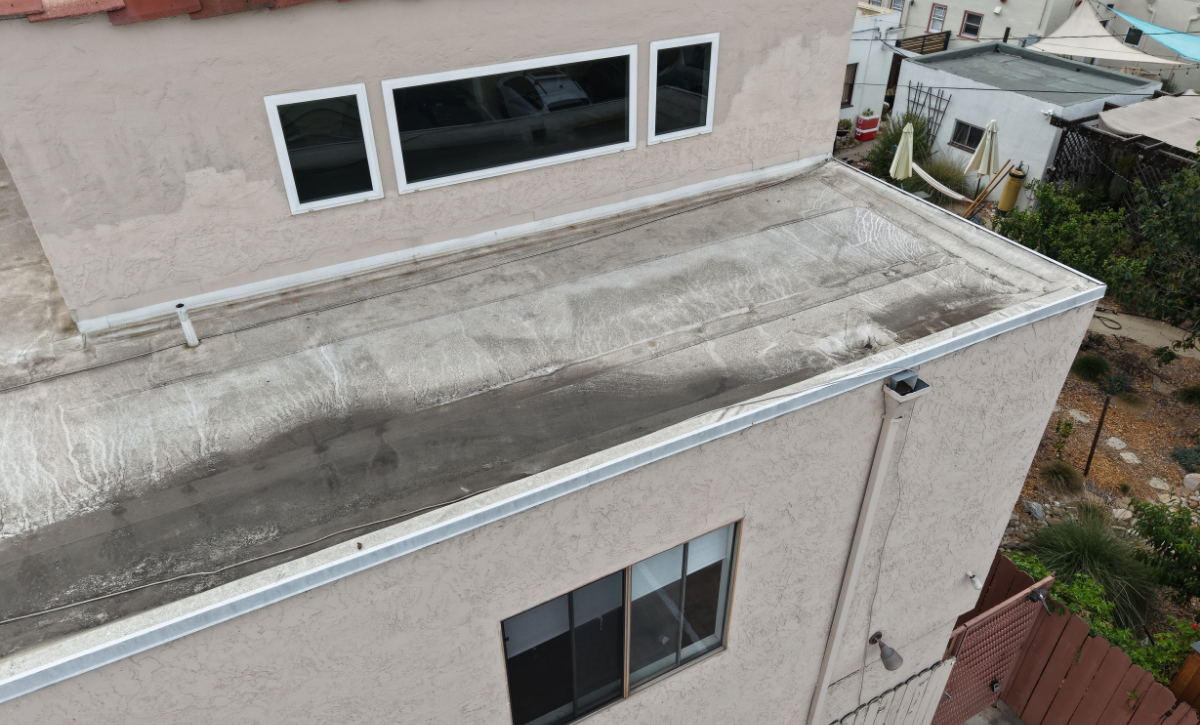
5 Areas to Check Before the Rainy Season
You do not need to diagnose stucco problems yourself. However, walking around your property and looking for visible changes can help identify areas that may deserve a professional evaluation.
1. Cracks in the Stucco
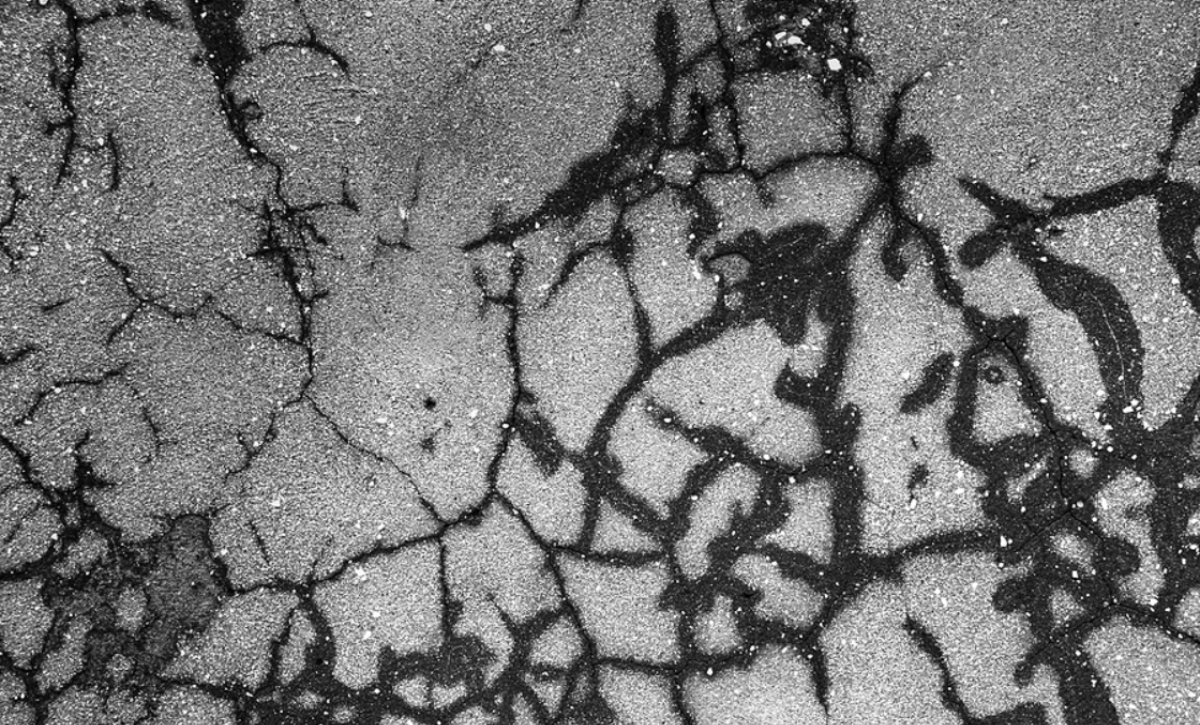
Not every stucco crack means there is major damage, but cracks should not automatically be covered without considering what may have caused them.
Pay attention to cracks that are growing, repeatedly returning after repairs, or appearing around windows, doors, and other openings.
2. Staining or Discoloration
Staining or unusual discoloration can be worth a closer look, particularly in areas exposed to water or where moisture may collect.
Changes that appear or become more noticeable after rain may be a reason to have the area evaluated.
3. Bubbling, Bulging, or Deteriorating Stucco
Changes in the surface of the stucco can sometimes indicate that an area needs further attention.
Bubbling, bulging, deterioration, or sections that look noticeably different from the surrounding wall should not automatically be treated as cosmetic issues.
4. Areas Around Windows and Doors
Windows, doors, penetrations, and other transitions in an exterior wall involve connections between different materials and components.
Check these areas for visible cracking, gaps, deteriorated sealants, or other changes that could leave the exterior more vulnerable to moisture.
5. Previous Stucco Repairs
If your home has had stucco repairs in the past, take another look at those areas before the rainy season.
Cracks that have returned, changes in the repaired surface, or new staining may indicate that the area deserves another evaluation.
Don’t Wait for the Rain to Reveal a Stucco Problem
One of the best times to investigate an exterior concern is before prolonged wet weather puts the wall system to the test.
If you’re already seeing cracks, staining, deterioration, or another change in your stucco, having the area inspected before the rainy season can help you better understand what is happening and whether repairs may be appropriate.
Preparation does not mean assuming the worst. It means understanding the condition of your home’s exterior before the weather changes.
Should You Have Your Stucco Inspected Before El Niño?
If your stucco appears to be in good condition and you have not noticed any signs of damage, an El Niño forecast alone does not necessarily mean your home has a problem.
However, if you’ve noticed cracks, staining, discoloration, damaged stucco, deteriorated sealants, or areas that have needed repeated repairs, having the exterior evaluated before the rainy season may help identify potential concerns before extended wet weather arrives.
If you’re unsure what your stucco needs, Sunny Coast Stucco can evaluate your exterior and help determine the appropriate next step.
Prepare Your San Diego Home Before the Rain Arrives
No forecast can tell homeowners exactly how much rain their individual property will experience. But you don’t have to wait for the first major storm to find out whether an existing stucco concern deserves attention.
Sunny Coast Stucco provides professional stucco inspections, repairs, renovations, waterproofing, and exterior services throughout San Diego County. Our team can evaluate visible concerns and help determine what your stucco may need before the rainy season.
Contact Sunny Coast Stucco
Sunny Coast Stucco provides Residential Stucco and Commercial Stucco, as well as Stucco Repair, Stucco Renovation, Exterior Plastering, New Construction, waterproofing, and other stucco services throughout San Diego County.
If you’ve noticed a stucco concern or would like to have your exterior evaluated before the rainy season, please contact Sunny Coast Stucco at (619) 230-5203 to schedule your FREE 30-Minute Stucco Shield Inspection.
Licensed California Stucco Contractor (#1045778) with over 20 years of hands-on experience in stucco installation, repair, waterproofing, and exterior restoration throughout San Diego County.