Stucco isn’t just a pretty exterior — it’s your home’s protective shield, keeping your property safe from the elements while adding style and value. Over time, even the most durable stucco can develop problems. Ignoring early warning signs could lead to water damage, structural issues, and expensive repairs.
At Sunny Coast Stucco, we specialize in professional stucco repair services for San Diego homeowners and builders. In this guide, we’ll show you how to identify when your stucco needs attention — before minor problems turn into major headaches. For tips on preventing hidden water damage, check out our Water vs Stucco guide.
Step 1: Spot Cracks Early
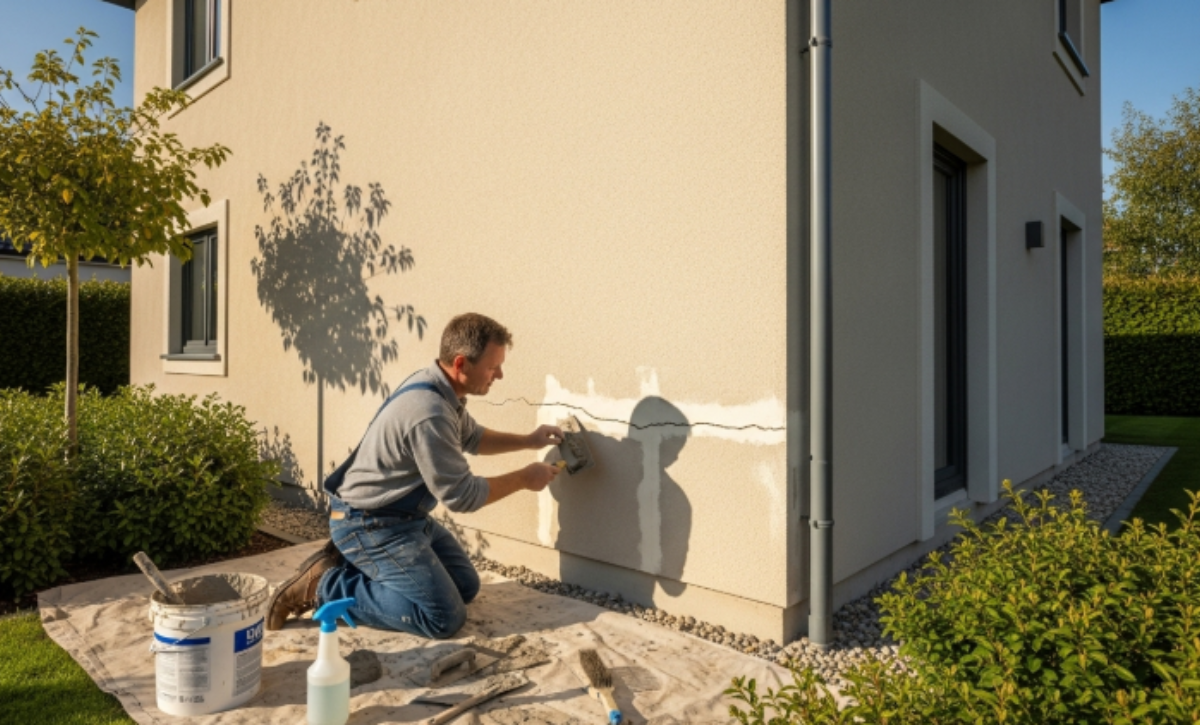
Cracks are the most obvious sign that your stucco needs repair, but not all cracks are created equal:
- Tiny hairline cracks are normal but should be monitored over time.
- Diagonal or vertical cracks near windows, doors, or corners may indicate shifting or settling.
- Wide cracks (over 1/8 inch) require immediate professional evaluation.
Step 2: Watch for Water Damage
Moisture is stucco’s biggest enemy. Detecting problems early can save you thousands:
- Look for discoloration, stains, or streaks on walls.
- Press gently on the stucco — soft or spongy areas are warning signs.
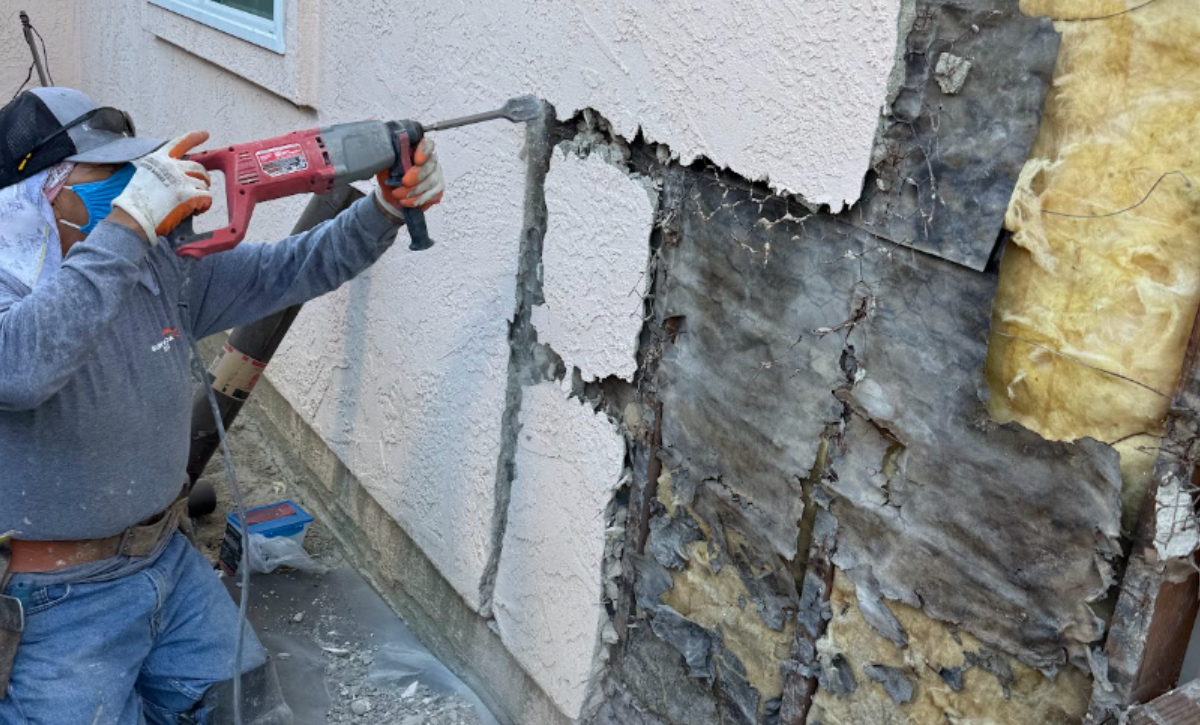
- Peeling paint or blistering often points to hidden water damage beneath the surface.
Step 3: Check for Loose or Falling Stucco
Stucco should remain firmly attached to your walls. Flaking or detached material is a serious concern:
- Tap areas of concern — hollow sounds may indicate delamination.
- Inspect corners, edges, and areas around windows for crumbling sections.
- Loose stucco isn’t just cosmetic; it can compromise your home’s safety. For more on proper repairs, see our DIY vs Professional Stucco Repair guide.
Step 4: Examine Caulking and Seals
Even well-applied stucco can fail if water seeps in through windows, doors, or joints:
- Inspect caulking for cracks, gaps, or peeling.
- Replace damaged or worn seals to prevent water intrusion.
- Properly sealed openings extend the life of your stucco and protect your home.
Step 5: Keep an Eye on Aging Stucco
Stucco naturally ages, but understanding what’s normal vs. problematic can prevent bigger repairs:
- Fading color, chalking, or erosion may indicate wear.
- Sun, rain, and wind gradually weaken the stucco surface.
- Regular inspections catch issues before they compromise your home.
Extra Tips for Homeowners
- Schedule a professional inspection at least once a year.
- Keep gutters clean to prevent water damage.
- Document changes in your stucco to track potential issues.
- Avoid DIY fixes for major cracks — improper repairs can worsen the damage.
Why Choose Sunny Coast Stucco?
Sunny Coast Stucco combines expert craftsmanship, reliable service, and honest communication to deliver lasting results for homeowners and builders in San Diego. Our team can:
- Inspect your stucco for cracks, water damage, and loose material.
- Recommend targeted repairs or full restucco when needed. Learn about our Restucco process.
- Provide a customized plan with transparent pricing and professional results.
Conclusion
Catching stucco repair issues early is key to maintaining a safe, beautiful home or business. By monitoring cracks, water damage, loose stucco, worn seals, and natural aging, you can protect your property and avoid costly repairs.
Don’t let small stucco problems turn into major headaches — get started today with Sunny Coast Stucco for a free estimate and keep your home strong, stunning, and worry-free.
FAQs
How can I tell if my stucco needs repair?
Look for cracks, water stains, loose material, and worn seals. Professional inspections help confirm the severity.
Can I fix stucco problems myself?
Minor cracks can be patched, but professional repair is recommended for large cracks, water damage, or structural issues.
How often should I inspect my stucco?
At least once a year and after major weather events.
Why is early stucco repair important?
It prevents water intrusion, structural damage, and costly repairs while extending the life of your exterior.